Readonauts

Side Project: Built and Launched Solo

A space-themed reading app that helps early readers learn letters, rhymes and sight words, from pre-K through the Fry 1,000 list. I built it for my kindergartner and second grader, and launched it on the App Store.

The Why Two Kids Learning to Read
The What iOS App, Idea to App Store
The How Built with Claude and Replit
Download on the App Store

Overview

Project Details

  • Role: Creator (product, design, build and launch)
  • Product Type: Consumer iOS app with a subscription
  • Audience: Early readers from preschool through third grade, and their parents
  • Timeframe: 2026
  • Built with: Claude, Replit, React, Firebase and Capacitor

My two boys were learning to read at the same time, one in kindergarten and one in second grade. I built one app that grows with both of them and shows me exactly which words each one still struggles with.

So I built it. I started the product and the first version with Claude, then continued the build and deployment in Replit, and shipped it to the App Store as a solo project.

The App

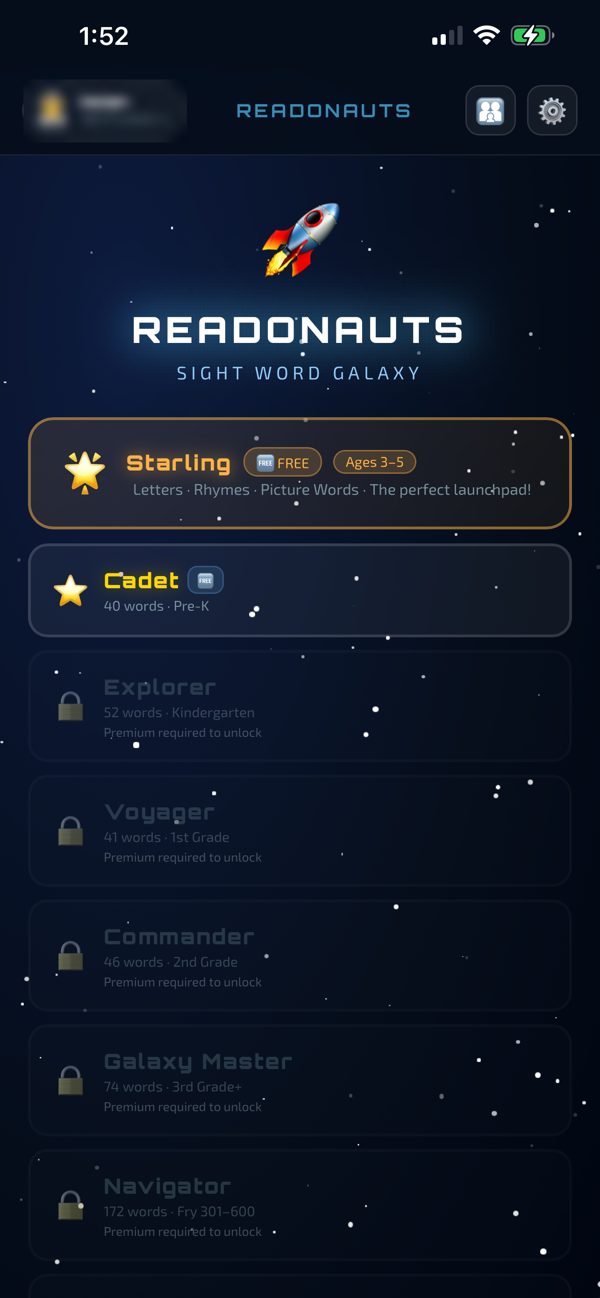
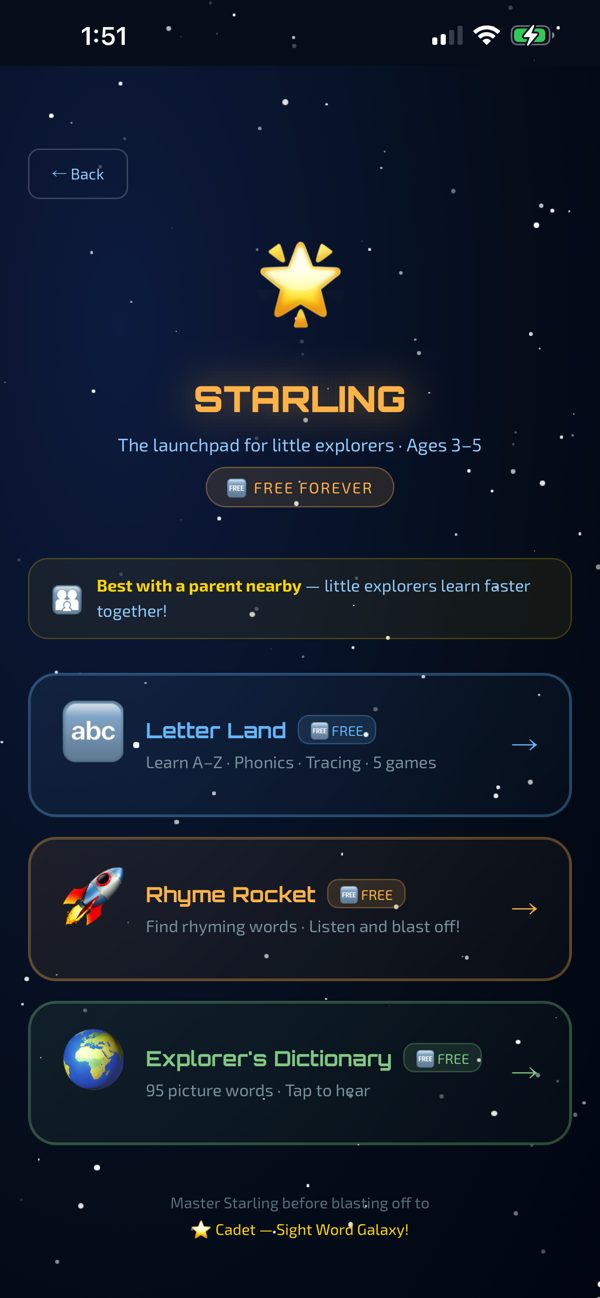
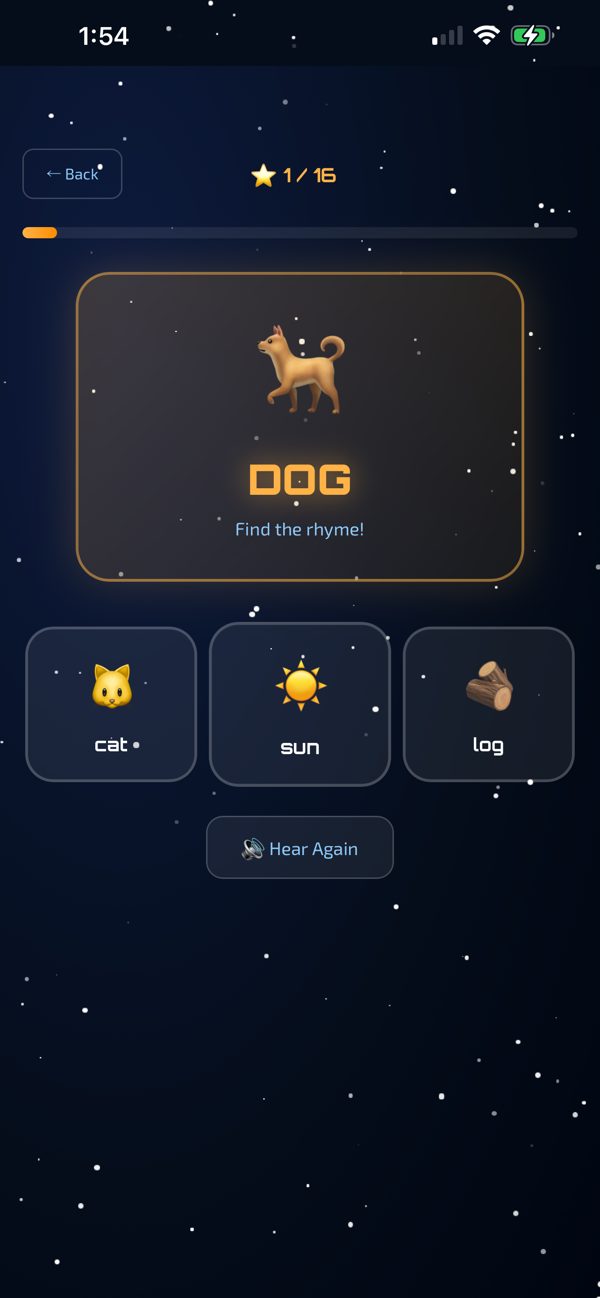
  • A free starting point: "Starling," for ages 3 to 5, teaches letters A to Z with phonics and tracing, rhyming games and a picture dictionary. It stays free.
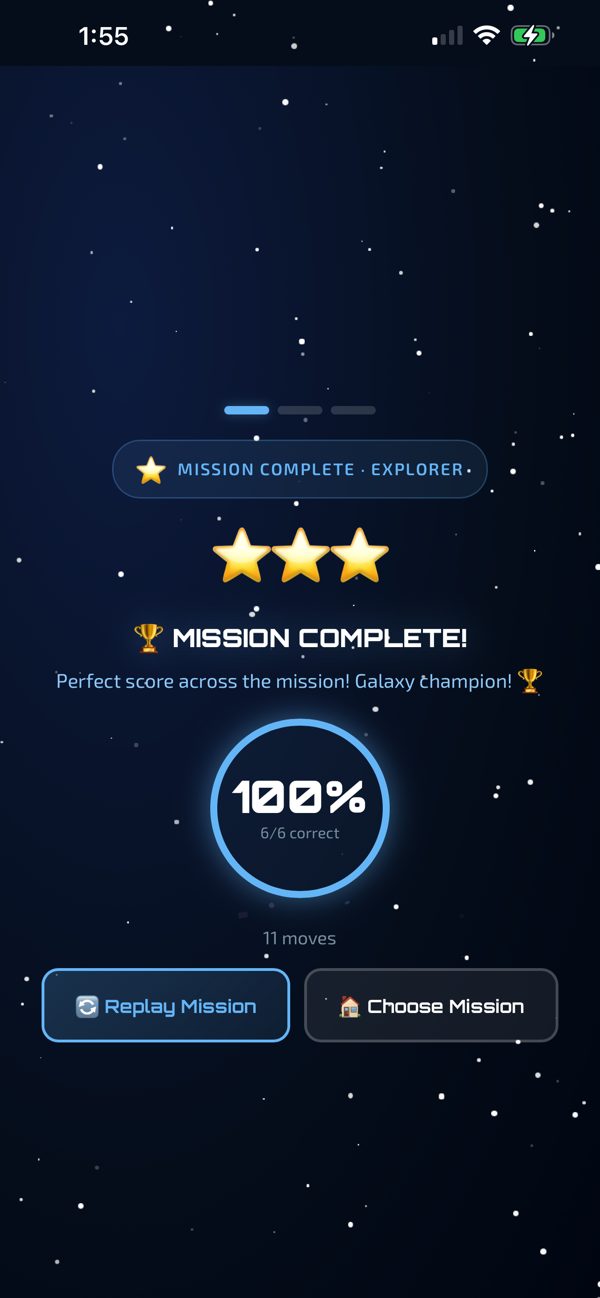
  • Levels that grow with the child: Seven ranks, from Cadet to Astronomer, follow the standard sight word lists from pre-K through the Fry 1,000 words.
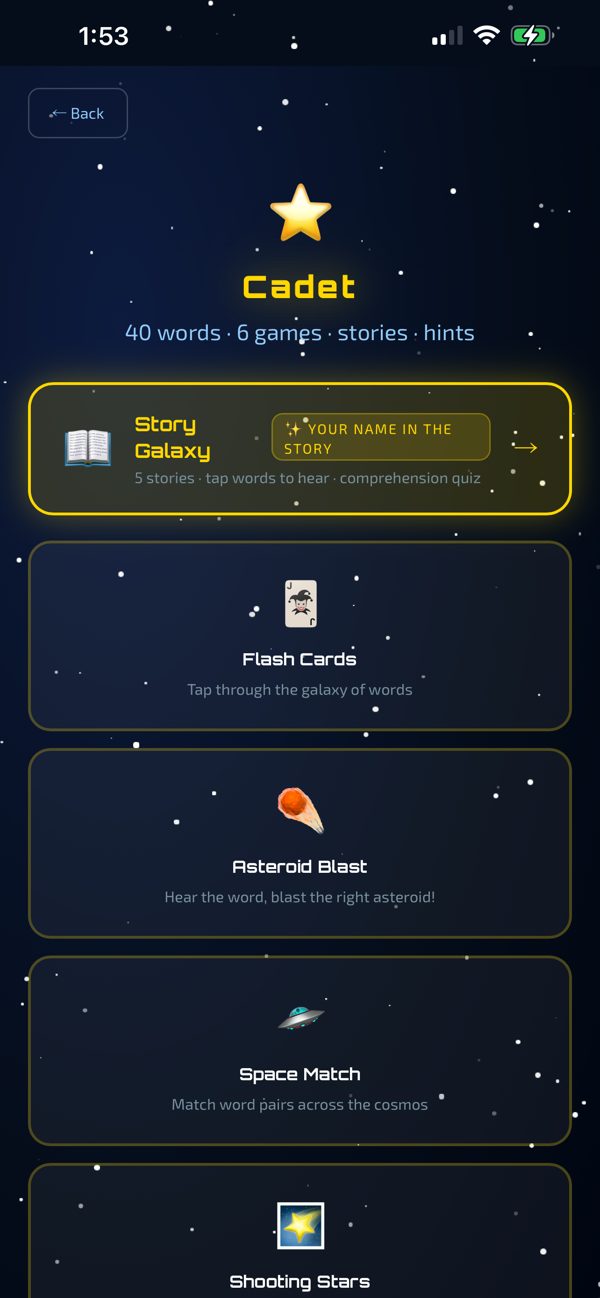
  • Six games per level: Flash cards, Asteroid Blast, Space Match, Shooting Stars and more, so practice feels like play.
  • Stories with the child's name: Story Galaxy puts each child into short stories built from the words they are learning, followed by a quick comprehension quiz.
  • A friendly narrator: "Mia" reads words and cheers kids on, using an AI-generated voice.
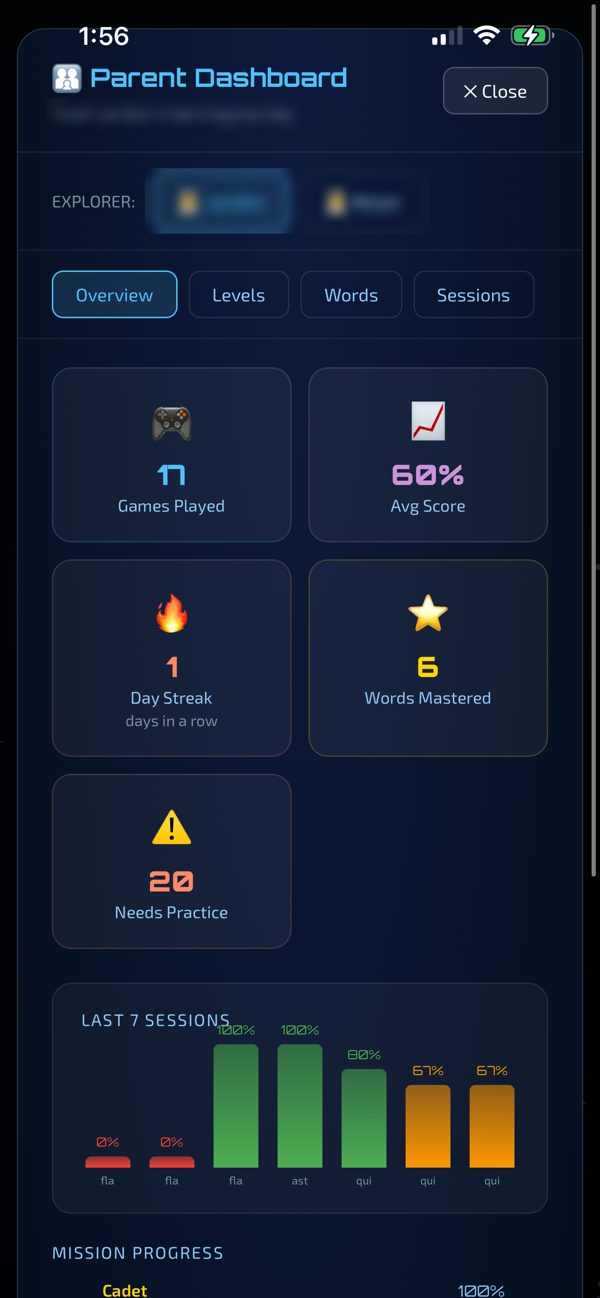
  • A real parent dashboard: Parents see games played, average scores, streaks, each level's progress, and which words a child has mastered or still needs to practice.

Screens

Key Trade-offs & Decisions

Decision Rationale
Kids see space ranks, not grade levels A second grader practicing kindergarten words should feel like a Cadet on a mission, not like they are behind. Parents still see the grade behind each rank
Keep the first levels free Parents can see real value before paying, and the youngest learners are never locked out of letters and first words
Collect as little as possible about children Parents create every account. The app stores only a child's first name, an avatar and learning progress, and third-party analytics are turned off, following children's privacy rules (COPPA)
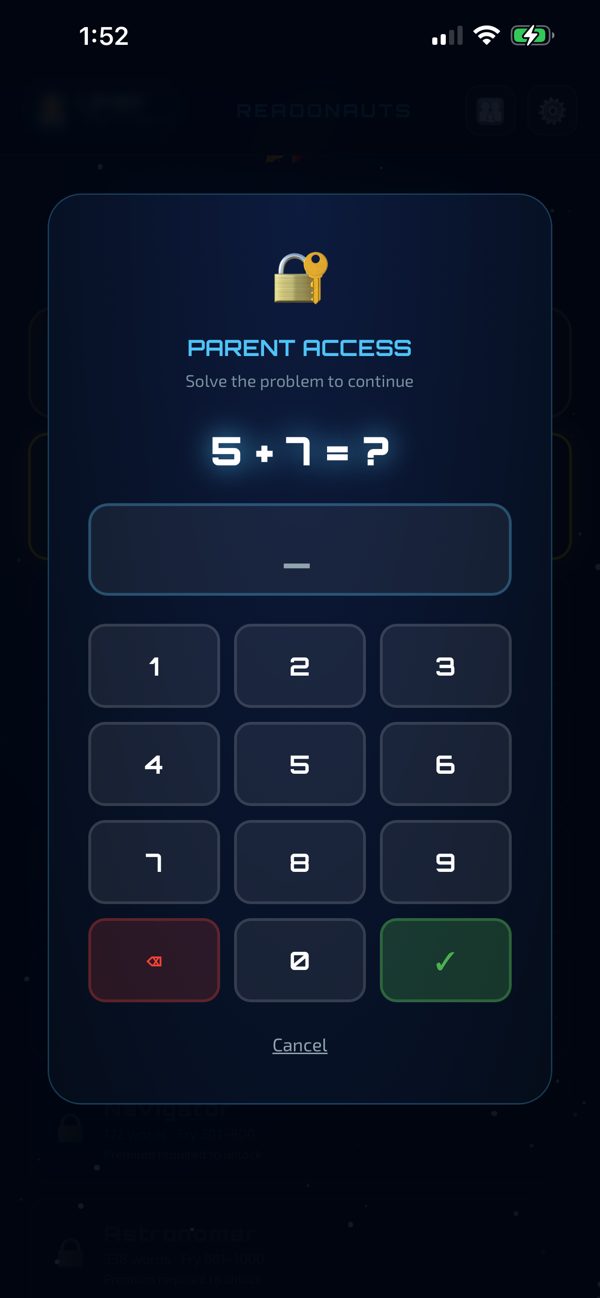
A parent gate in front of settings and purchases A simple math problem keeps young children out of settings and subscriptions without slowing parents down
Track every word, not just every game "Needs practice" lists tell parents exactly where to help, and steer review toward the words a child keeps missing
An AI-generated narrator voice Gave hundreds of prompts and celebrations one warm, consistent voice without a recording studio
Start in Claude, continue in Replit Claude was fastest for shaping the product and the first version; Replit made it easy to keep iterating, host the backend and ship

Outcomes & Lessons

Shipped Solo

App Store Live with subscriptions

Took the app from idea to App Store review and launch on my own, including in-app subscriptions and account deletion.

Real Users at Home

2 Readers My first customers

My boys use it, and the dashboard shows me which words each one has mastered and which need more practice.

Reflection

AI tools changed what one person can build. I designed, built and shipped a polished app on my own, something that would once have needed a small team.

What did not change is distribution. Organic App Store discovery brought very few downloads, which taught me the lesson I now apply at work: building is no longer the bottleneck, so the hard product questions are who it is for and how they will find it.

  • Prototype in days, not months: Working software is now the fastest way to test an idea with real people.
  • Plan distribution before features: Next time I would test a channel, such as parent communities or teachers, before building more levels.
  • Design for the parent and the child: In a kids' product the user and the buyer are different people, and both need to feel the value.

Ready to see more of my work?

Explore other projects and business cases from my portfolio

Back to Portfolio